Available courses

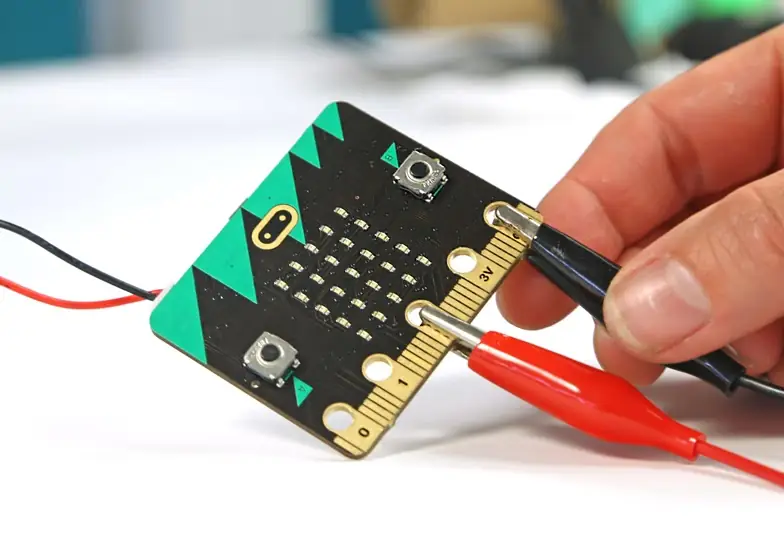
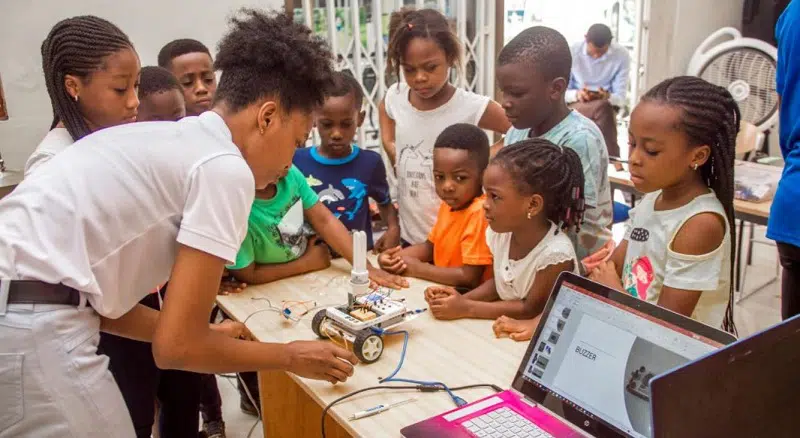
 This course Grade 4 Coding and Robotics introduces students to the basics of physical computing and robotics using the micro:bit platform. The course focuses on hands-on projects, enabling learners to create automated systems through sensing and control techniques.

This course Grade 5 Coding and Robotics dives into advanced physical computing and robotics , engaging students in hands-on projects that foster creativity and collaboration. Key components include understanding feedback control systems, exploring analogue sensors like light-dependent resistors and soil moisture sensors, and developing programming skills using the MakeCode environment. By creating projects such as navigation wristbands and smart lighting systems, students enhance their problem-solving abilities and gain practical knowledge in electronics and coding, empowering them to become innovative thinkers and creators ready for future technological challenges.

This course, Grade 6 Coding and Robotics, focuses on advanced concepts in physical computing and robotics through the micro:bit platform, emphasizing wireless communication and the fundamentals of binary code. Students will learn about the components of robots, experiment with programming using Logo, and design projects such as automated fairground rides that utilize relays and sensors. Key topics include the limitations of motor control, automation with actuators, and the impact of robotics on society. By the end of the course, learners will develop practical skills in coding and electronics, enhancing their problem-solving abilities and creativity in technology projects.

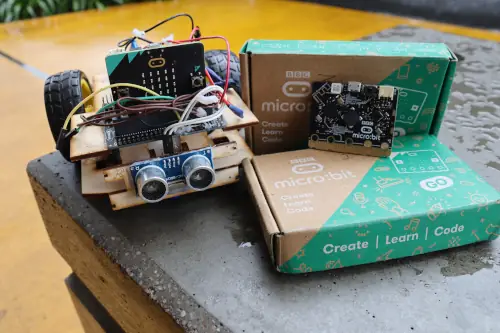
This course, Grade 7 Coding and Robotics, emphasizes advanced concepts in physical computing and robotics using the micro:bit platform, with a focus on building and programming automated systems. Students will explore the use of actuators, relays, and wireless communication to create their own projects, such as a remote-controlled buggy.

They will develop skills in programming using MakeCode, allowing them to control motors and sensors for a range of applications. Through hands-on activities, learners will enhance their understanding of robotics, coding, and the impact of technology in our increasingly connected world, preparing them for future challenges in STEM fields.
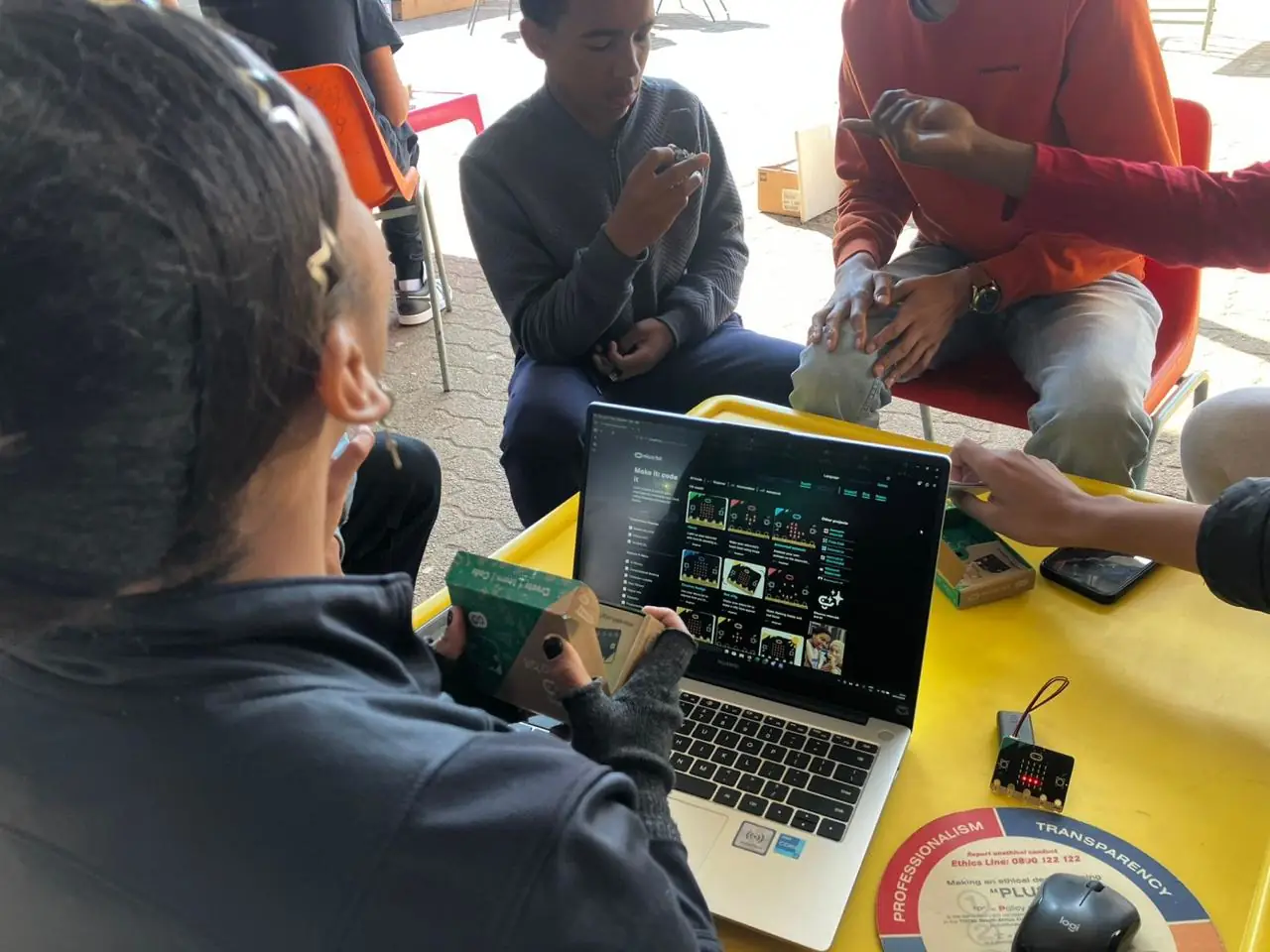
This course, Grade 8 Coding and Robotics, concentrates on advanced projects that integrate physical computing and robotics using the micro:bit platform. Students will explore the functionality of actuators, particularly servos, to create automated systems such as a lifting barrier and smart irrigation systems that monitor soil moisture levels.

The course emphasizes programming skills, allowing students to develop and refine algorithms using MakeCode. By engaging in practical applications like sound-responsive indicators and distance measurement using ultrasonic sensors, learners will enhance their coding and engineering abilities while understanding the societal impact of robotics and technology.

This course Grade 9 Coding and Robotics, explores advanced concepts of physical computing and robotics using the Raspberry Pi Pico. Students will learn to measure analogue inputs like temperature and distance using various sensors, applying mathematical principles to real-world applications.

Key projects include creating an automatic light switch, implementing a cooling fan control system based on temperature readings, and designing circuits that incorporate logic gates for decision-making in automation. Through hands-on coding experiences using MicroPython, learners will enhance their programming skills, engineering knowledge, and understanding of how robotics can impact everyday life.

This course is designed to provide teachers of grades 4-6 with straightforward, practical advice on initiating physical computing and robotics in their classrooms while enhancing their existing practices. It does not aim to be an exhaustive collection of physical computing projects; rather, the selected projects showcase a diverse array of techniques and processes commonly applied in physical systems, allowing educators to engage their students creatively and effectively.

This course offers teachers of grades 7-9 practical coding and robotics skills to inspire student curiosity and develop real-world problem solvers. The hands-on training combines curriculum-aligned lesson design with ready-to-use projects and affordable hardware setups, enabling teachers to confidently teach programming logic, both block- and text-based coding, as well as sensors, actuators, and robotics challenges aligned with assessment criteria.